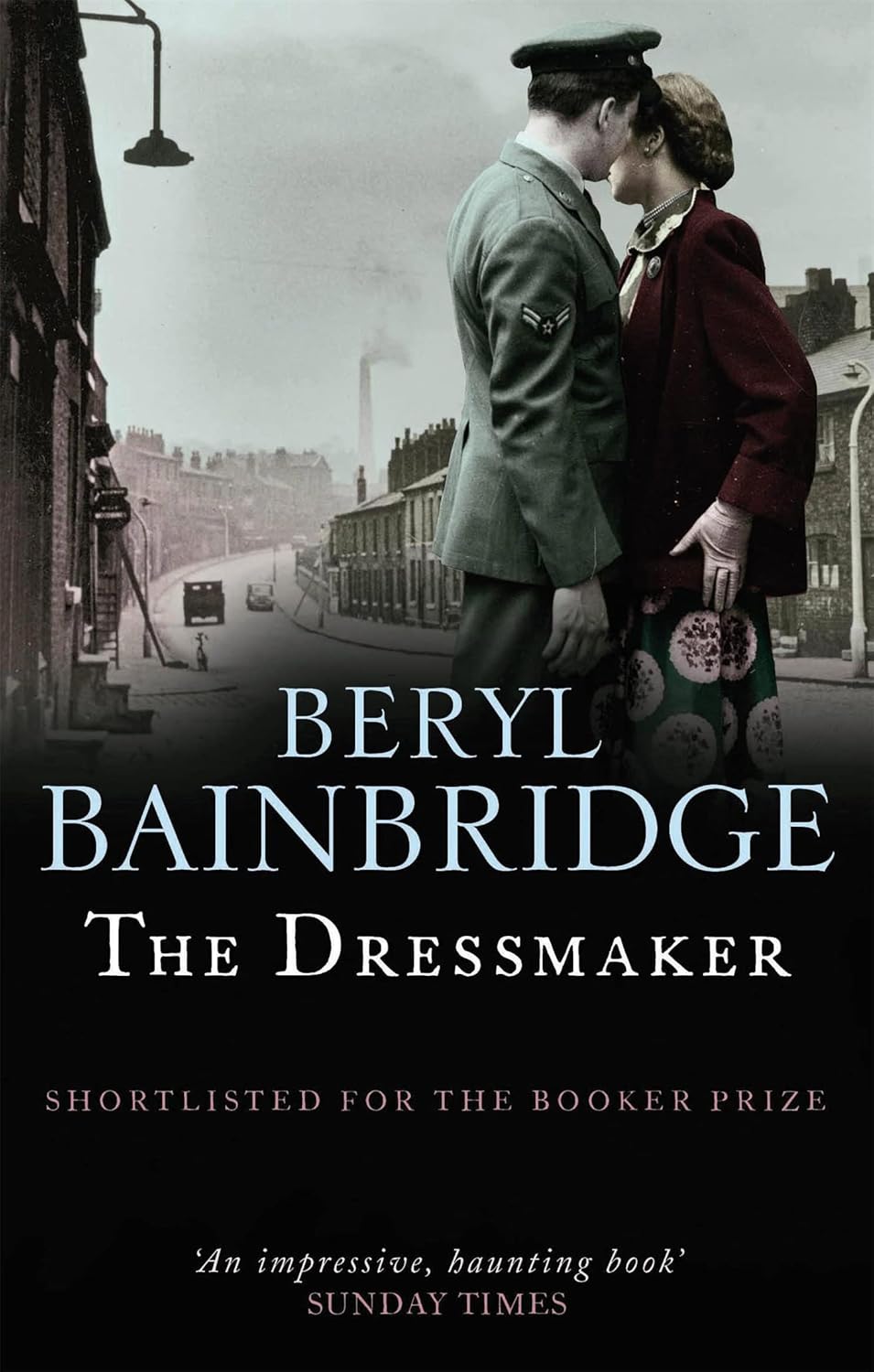
Liverpudlians of a certain age will remember Blacker’s department store. Spread over six floors on the corner of Elliot Street and Great Charlotte Street, it was Liverpool’s answer to New York’s Macy’s. As a child, I adored the place. There was ‘Blackie’ the rocking horse that you could ride while the mums shopped – it was free and there was always a big queue of children waiting their turn – a fantastic basement filled with books and stationery, and (best of all) the annual Winter Wonderland Grotto. Being taken to Blackler’s Grotto was the highlight of my year.
At the time I was too young to know that the store I knew and loved was ‘new’; the ‘old’ building had taken a direct hit in World World II. For 10 years Blacker’s had operated from temporary outlets before rising like a phoenix in a new art-deco building on the same plot where the old building had once stood.
In August 1941, though, the area was still a bomb site. When Rita’s tram stops opposite she pictures: “Auntie Nellie’s rolls of dress material, snaking out wantonly into the burning night, flying outwards higgledy piggledy…tumbling down through the air to be buried under the bricks and iron girders”.
Auntie Nellie is the dressmaker of the title, a matriarchal figure “only marking time for the singing to come in the next world and her reunion with Mother”. Rita, a naive seventeen year-old, was brought up by Nellie and her dad’s other sister, Margo, “a foolish girl of fifty years of age”.
When Rita goes to a neighbour’s party she meets Ira, a GI, and falls in love – or she falls in love with the idea of loving him – and starts dating him secretly. Margo, discovering the truth, “felt resentful to be shut out from excitement and intrigue. She had tried in her fashion to shield Rita from Nellie’s influence, to add a little gaity to the narrow years spent in the narrow house”.
So far, so ordinary? Not in the least because there is something oddly unsettling and claustrophobic about the relationship between the three women; and no-one does unsettling and claustrophobic better than our Beryl. (I’m thinking in particular of Every Man for Himself and Injury Time both of which I’ve reviewed in earlier blog posts.)
“You had to be careful with girls…Girls were different…stamped by the mother’s authority.” But which girl; which mother?
The ending is brutal and totally unexpected.
The Dressmaker was one of the four books shortlisted for the 1973 Booker Prize.
Rating *** Highly recommended.
PS The winner of the 1973 Booker Prize was The Siege of Krishnapor by J. G. Farrell – also well worth reading!
 whatcathyread