January: a momentous month, synonymous with fresh starts and good intentions, clean slates and new chapters, New Year’s resolutions and the triumph of hope.
If, like me, you spent most of December eating too much, drinking too much, and moving too little, you might be spending January in thrall to the triple tyrants of Diet, Exercise and Sobriety. I feel healthier – and smugger – but once I’ve ticked off 31 Jan on the calendar, Sobriety will be kicked into touch. For one thing, I’ve already bought tickets for Liverpool Beer Festival in February.
Because we all love a social event, don’t we? Cocktail party or potluck, family gathering or festival, dancing ‘til dawn or quiet dinner – whatever floats your particular boat might depend on preference and personality, but at some basic level we’re all hard-wired for social connection.
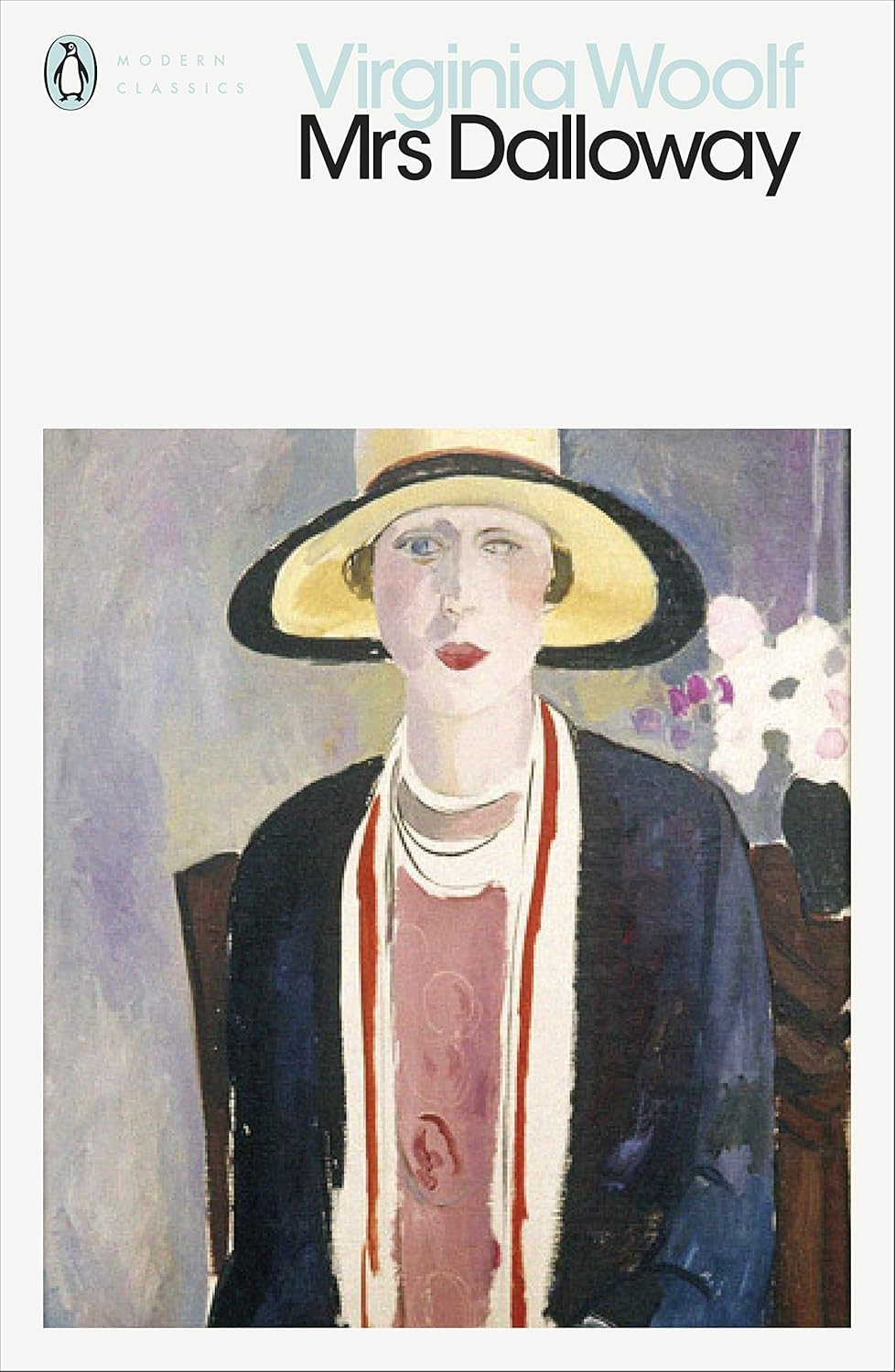
Clarissa Dalloway – the titular Mrs Dalloway – is throwing a party. Not just any old party. Clarissa is a ‘fashionable London hostess’ (per the blurb), and her husband, Richard, is a Tory MP. The Prime Minister is expected to drop by, as are other members of the UC circles Clarissa inhabits, such as Lady Bruton, and Sir William and Lady Bradshaw.
The action of the novel unfolds over the day of the party. We start in the morning, with Clarissa walking from her house in Westminster to buy flowers and right from the opening line (“Mrs Dalloway said she would buy the flowers herself”) we’re plunged into a world of servants and privilege.
Yet only ten pages later we’re introduced to Septimus Warren Smith. Whereas Clarissa is “charming, […] light, vivacious, though she was over fifty.” Septimus is “aged about thirty […] with hazel eyes which had a look of apprehension in them which makes complete strangers apprehensive too. The world has raised its whip; where will it descend?” It’s June 1923, less than five years after the end of WW1, and Septimus (who we would now say has PTSD) has threatened to kill himself. His young Italian wife, Lucrezia, is taking him to a renowned psychiatrist, Sir William Bradshaw – yes, the same man who will be a guest at Clarissa’s party later that evening.
And so Woolf interweaves the narratives of two strangers: Clarissa and Septimus. “Twelve o’clock struck as Clarissa Dalloway laid the green dress on her bed, and the Warren Smiths walked down Harley Street. Twelve was the hour of their appointment.”
The novel ends with the party itself. When the Bradshaws arrive late and share news of Septimus, Clarissa experiences a powerful moment of connection with this man she doesn’t know: “she did not pity him – the young man […] She felt somehow very like him.”
Because if Mrs Dalloway can be said to be ‘about’ any one particular thing, then it’s a celebration of life and social connection – why else throw a party?
Rating: ** Worth reading (particularly if you’re planning to see the new stage adaptation, which premieres at Chester Storyhouse 29 May to 6 June before embarking on a UK tour (dates to be announced at the time of writing)).
Click the links for my reviews of two of Woolf’s other novels, To the Lighthouse and Orlando.
 whatcathyread