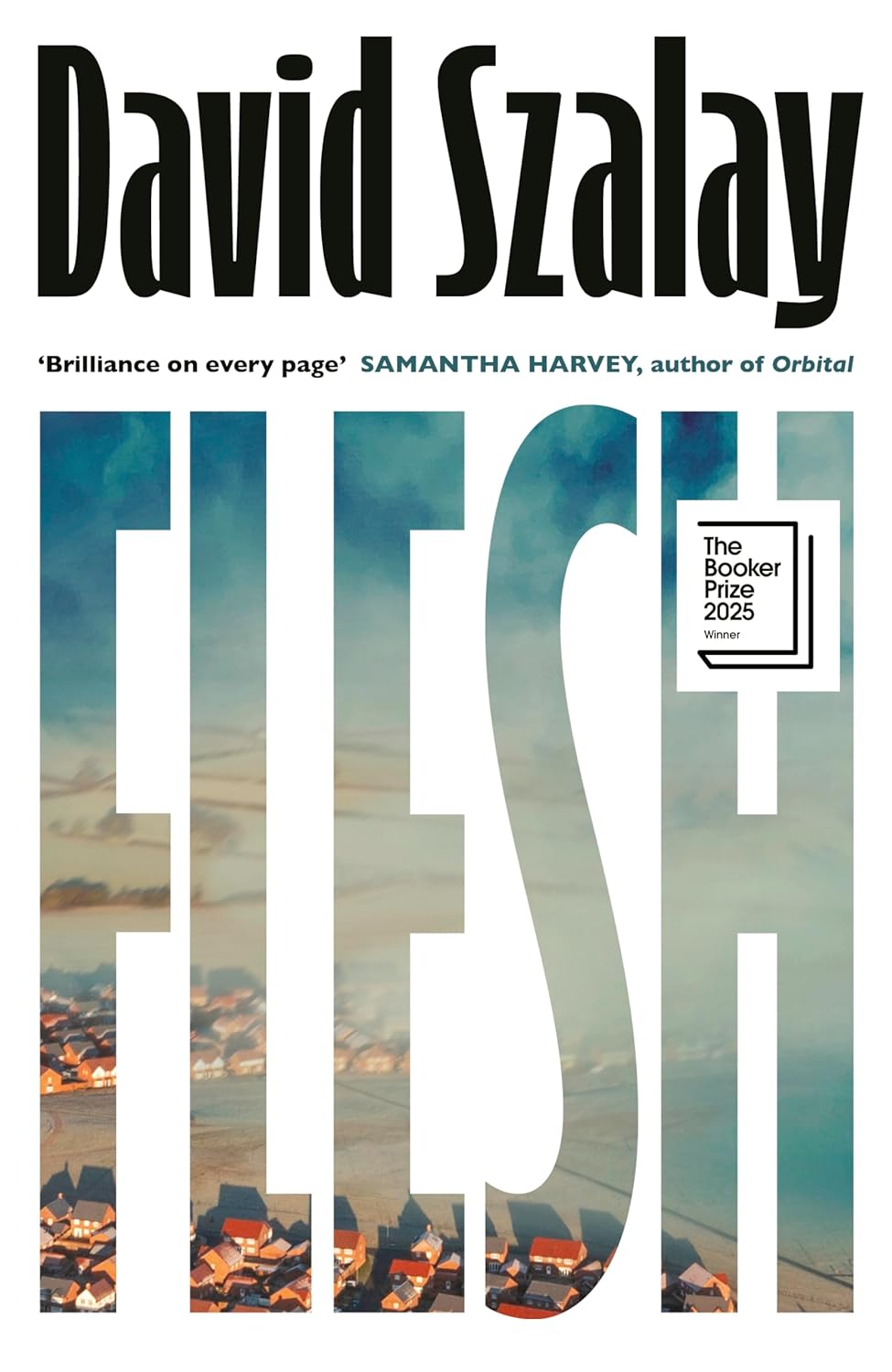
Spoiler alert! If you don’t want to know the whole plot, then scroll straight to the rating at the bottom of the page.
In 1844, a satirical historical novel by William Makepeace Thackeray entitled The Luck of Barry Lyndon was published in Fraser’s Magazine, later republished in 1852 under the title The Memoirs of Barry Lynton Esquire, By Himself. If you haven’t read the novel, you might have come across Stanley Kubrick’s 1975 film of the book starring Ryan O’Neill.
Thackeray’s novel is a rags-to-riches-to-rags tale set in the 1700s. Fifteen-year-old Redmond Barry lives with his mother in rural Ireland. He falls in love with his older cousin but she’s in love with someone else. Thinking he’s killed his love-rival in a duel, Barry flees abroad. He serves for a time in the army, before reinventing himself as a successful gambler and man of fashion. He marries a rich, English widow, the Countess of Lyndon, whose name he takes and with whom he has a son, Bryan. He burns through the Countess’s fortune, including on immense construction projects to remodel the family estate, and mistreats the son of her first marriage, Viscount Bullingdon, while indulging Bryan – until Bryan is killed in a tragic horse-riding accident. When the Countess dies, Viscount Bullingdon (now grown up), disowns his stepfather, and Barry is left penniless.
Now…say you wanted to update Thackeray’s story, how would you go about it? Well, an obvious place to start would be to set it in our time; then presumably you’d change the protagonist’s name and possibly his nationality. Our fifteen-year-old “hero” could be Eastern European, say Hungarian, a lad called, oh, I don’t know, how about Istvan? Seduction by an older woman would still works now, but a cousin? No-one would turn a hair. A neighbour would be better. A married neighbour because that means there would be an available husband for our “hero” to kill. Not a duel, though, clearly, and nothing too brutal, or we’d lose sympathy. A scuffle on the landing and a fall down the stairs should do the trick.
Army? Yes, keep that in. (But has the husband’s death been dispensed with too cleanly for the here and now? We could always “jump” through time and give it out that Istvan served time in a young offenders’ institution between chapters 1 and 2). And his reinvention can’t be through gambling. So just how would a young man who knows how to take care of himself get access to the super-rich nowadays? Perhaps door work at a club, then close protection work, then personal security guard and driver, working his way up the food chain.
After that, the rest can stay more or less as Thackeray plotted it. Marry rich widow, have a son, burn through money on immense construction projects (post-marriage he can be a property developer), mistreat the step-son, son dies in a tragic accident, wife dies, step-son disowns him, Istvan left penniless.
Voila! Now all you need is a title. Something suggestive of the seductive power of money, how lust can be exploited to get it, and how blood-line is everything…but it needs to be snappy and have a slightly brutal vibe. How about Flesh?
Ok, ok. I’m not saying David Szalay has done anything wrong. A novel is more than its plot. Szalay isn’t the first novelist to “borrow” ideas from a preceding work and he won’t be the last. This isn’t plagiarism. (I also have in mind a famous saying from the poet T.S. Eliot that ‘immature poets imitate, mature poets steal; bad poets deface what they take, and good poets make it into something better, or at least something different.’).
But the plot of Flesh so closely mirrors that of Barry Lyndon, I would have expected the debt to Thackeray to be formally acknowledged in Szalay’s novel. It isn’t, in my copy at least. Nor (at the time of writing) is it mentioned anywhere on the Booker Prize website that I can see – Flesh won the 2025 Booker Prize – not even on the feature page “Eight Booker Prize–nominated novels that were inspired by other books” (published July 2025); nor did Szalay mention Thackeray in interviews with the Guardian in February 2025 or the Bookseller in January 2025.
Even more bizarrely, in BBC Radio Scotland’s Take Four Books broadcast on 23 March 2025, Szalay names the three books that inspired Flesh as: Ultraluminous by Katherine Faw (2017) for the voice, Jacob’s Room by Virginia Woolf (1922) for the structure, and Lord Jim by Joseph Conrad (1900) for the plot. The plot? Seriously? And all those interviewers – have they not read Barry Lyndon or were they too polite to ask about such a blatant plot-lift?
Read Flesh by all means. But remember, it was William Thackeray’s story first.
Rating: * Not for me (but worth a try).
PS If you haven’t seen Kubrick’s film version of Barry Lyndon, it’s worth checking out. It’s long (a little over three hours) but regularly appears in lists of best-ever films – and arguably Ryan O’Neal gives the performance of his career as the handsome, scheming, manipulative Barry.
 whatcathyread